


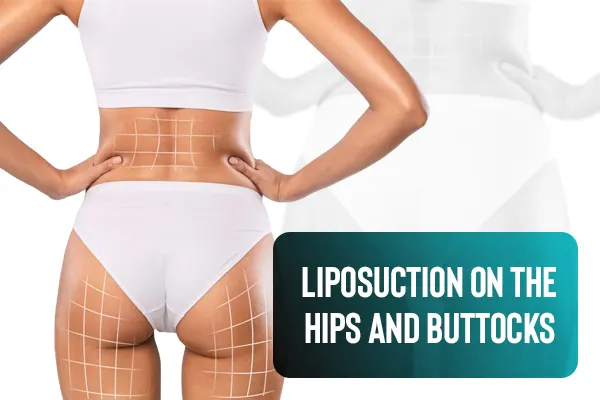
A well-defined waist and balanced hips can have a significant influence on overall body proportions. However, even people who maintain a healthy lifestyle may have localized fat deposits that are resistant to diet and exercise. Liposuction can be used as a body-contouring procedure to selectively reduce these deposits and create smoother, more proportionate contours. It is important to understand that lipo is designed for shaping specific areas rather than serving as a general weight-loss treatment.
Contents
ToggleUnderstanding Waist and Hip Liposuction
Liposuction removes excess fat from targeted areas through a surgical suction technique. The waist, abdomen, hips, thighs, and buttocks are among the areas that may be treated for contouring purposes. When performed carefully, treatment can reduce fullness around the waist while helping create a more gradual transition toward the hips.
The objective is generally not to remove as much fat as possible. Instead, the surgeon considers the patient’s existing anatomy, fat distribution, skin quality, and desired proportions when developing a treatment plan. Removing excessive fat can sometimes create unevenness or make loose skin more noticeable.
Creating a More Defined Waistline
Fat around the sides of the abdomen and waist can make the torso appear less defined. Targeted liposuction may reduce these localized deposits and help emphasize the natural inward curve of the waist.
A successful result depends on maintaining appropriate proportions. Treating only one small area without considering surrounding contours may produce an unnatural transition. For this reason, surgeons often evaluate the abdomen, flanks, back, and hips together when determining which areas should be addressed.
Contouring the Hips for Better Proportion
The hips can also contribute significantly to the overall silhouette. Localized fat around the outer hips or nearby areas may create additional fullness that some patients would like to reduce.
Hip liposuction is generally intended to refine the existing shape rather than completely change a person’s natural anatomy. The surgeon must account for the relationship between the waist, hips, thighs, and buttocks so that the finished contour remains balanced.
Who May Be a Suitable Candidate?
Liposuction is typically most appropriate for healthy adults who have localized fat deposits and realistic expectations. Good skin elasticity can also be important because the skin needs to adapt to the contours created after fat removal. People with significant loose or thin skin may require a different or additional body-contouring approach.
Lipo is not intended to treat obesity or replace healthy eating and exercise. Maintaining a relatively stable weight can help preserve the improvement after treatment.
Choosing an Experienced Surgeon
Selecting a properly trained and experienced plastic surgeon is an important part of the process. When researching lipo surgeons near me, patients should look beyond advertising and consider the surgeon’s qualifications, experience with waist and hip contouring, surgical facility, approach to safety, and examples of appropriate before-and-after results.
During a consultation, patients should also ask how the surgeon plans to maintain symmetry and proportion, what type of anesthesia may be used, what recovery is expected, and whether additional procedures could be appropriate.
What Recovery Can Involve
Swelling, bruising, soreness, and temporary changes in sensation are common after liposuction. Compression garments are frequently recommended to help control swelling and support healing. Activity restrictions vary according to the extent of treatment and the individual’s recovery.
The visible shape immediately after surgery should not be considered the final result. Swelling gradually decreases over the following weeks, while the contours continue to settle. Final refinement can take several months.
Understanding the Limitations and Risks
Liposuction can improve localized fat distribution, but it cannot guarantee a particular body shape. It also does not eliminate cellulite or reliably correct loose skin. If skin has limited elasticity, removing fat may leave residual laxity or make irregularities more noticeable.
As a surgical procedure, liposuction also carries potential complications, including infection, bleeding, fluid accumulation, changes in sensation, contour irregularities, blood clots, and anesthesia-related complications. Larger treatment areas or multiple procedures may increase certain risks, making individualized surgical planning especially important.
Maintaining Your New Contours
Liposuction permanently removes some fat cells from the treated area, but it does not prevent future weight gain. Remaining fat cells can enlarge if body weight increases, potentially changing the overall appearance. Maintaining a stable weight through balanced nutrition and regular physical activity can therefore help preserve the results.
A Personalized Approach to Body Contouring
Waist and hip lipo should be viewed as a contouring procedure rather than a shortcut to weight loss. The most natural-looking results typically come from carefully planned fat reduction that respects the patient’s individual proportions, skin quality, and anatomy.
A consultation with a qualified surgeon can help determine whether liposuction is appropriate and whether the desired definition can be achieved with lipo alone or would benefit from another body-contouring option.
