


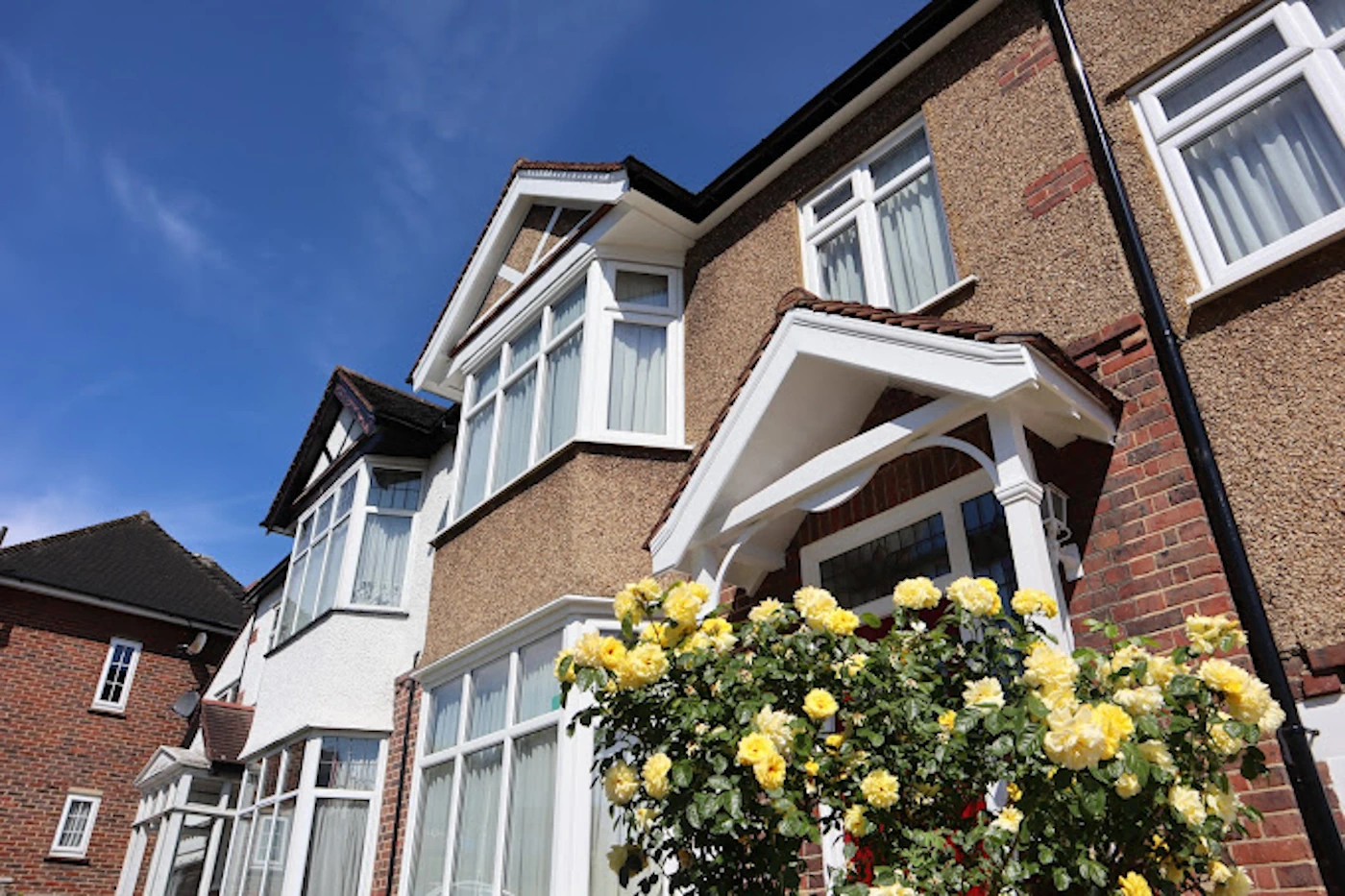
Exterior decorating in London is not simply a matter of choosing a colour and applying paint to a wall. The city’s changeable weather can have a major influence on preparation, application, drying, curing and the long-term performance of an exterior finish. Rain, humidity, temperature changes, strong sunlight, wind and overnight condensation can all affect the result.
Contents
ToggleFor this reason, Painters and decorators in London need to consider weather conditions throughout the project rather than relying only on the calendar. Industry guidance recommends avoiding exterior painting when surfaces are damp, rain is expected before the coating dries, or frost is likely to affect freshly applied materials.
Why London Weather Matters for Exterior Decorating
London has a relatively mild climate, but exterior surfaces are repeatedly exposed to moisture and changing temperatures. A wall may appear dry in the morning but still contain moisture after overnight rain or condensation.
Paint and other exterior coatings need appropriate conditions to bond properly and form a durable film. Excess moisture can interfere with adhesion and drying, while unsuitable temperatures can change the way a coating flows and cures.
This makes weather assessment an important part of professional exterior decorating.
Rain Can Interrupt the Decorating Process
Rain is one of the biggest challenges for exterior painting. Applying paint to a wet wall can prevent proper adhesion, while rainfall shortly after application can damage a coating before it has had enough time to dry.
Rain can also penetrate porous materials such as masonry, render and timber. Even after the rain stops, these surfaces may need additional drying time before decorating can safely continue.
Professional decorators therefore look beyond whether it is currently raining. They consider the condition of the surface and the forecast during the drying period as well.
Humidity Slows Drying
High humidity is another important consideration. When the air contains significant moisture, water or solvents can evaporate more slowly from coatings. This can extend drying times and potentially affect the final appearance.
Manufacturers provide specific temperature and humidity limits for different products. For example, Dulux Trade guidance notes that high or low temperatures and high humidity can affect coating application and performance, with product-specific limits needing to be followed.
This is why experienced decorators avoid assuming that every exterior paint behaves in exactly the same way.
Temperature Affects Paint Performance
Temperature affects both the surface being painted and the paint itself. Cold conditions can slow drying and curing, while excessive heat can cause a coating to dry too quickly.
During cooler periods, masonry and timber can remain cold even when the surrounding air temperature seems acceptable. Conversely, direct sunlight can make walls and metalwork considerably hotter than the general air temperature.
The correct application range should always come from the particular paint manufacturer’s instructions rather than relying on a single universal temperature.
The Problem With Morning Dew
A dry-looking wall does not necessarily mean that it is ready for painting. Overnight cooling can create condensation or dew on exterior surfaces, particularly during spring and autumn.
If paint is applied while the surface still contains moisture, adhesion and drying can be compromised. NHBC guidance specifically advises against exterior decorating when surfaces are moist or when conditions such as frost or rain are expected before the paint has dried.
For this reason, exterior work may sometimes begin later in the morning after surfaces have had an opportunity to dry.
Strong Sunlight Can Also Cause Problems
It is easy to assume that warm, sunny weather is always ideal for exterior painting. However, excessive direct sunlight can make a surface extremely hot.
A coating may dry on the surface before it has properly levelled, potentially making application more difficult and increasing the risk of visible brush or roller marks. Professionals can manage this by considering the position of the sun and, where practical, working on shaded elevations at appropriate times.
Moderate, stable conditions are often more useful than simply choosing the hottest day available.
Wind Creates Additional Challenges
Wind can affect exterior decorating in several ways. Strong gusts can blow dust, leaves and other debris onto wet paint. They can also accelerate evaporation and make controlled application more difficult.
There is also a practical safety consideration when ladders, towers or scaffolding are being used. A windy day may make certain exterior areas unsuitable for safe work.
Consequently, weather decisions are not based exclusively on paint performance. The safety of the people carrying out the work is equally important.
Seasonal Changes in London
Spring
Spring can provide useful opportunities for exterior decorating, but conditions can change quickly. Cold mornings, rainfall and overnight moisture may require careful scheduling.
A project may therefore involve preparation first, followed by painting when a sufficiently dry and stable weather window appears.
Summer
Summer generally provides longer daylight hours and potentially longer dry periods. However, extremely warm surfaces and direct sunlight can create their own problems.
A professional approach is to assess the actual temperature of the surface, the product requirements and the exposure of each elevation.
Autumn
Early autumn can still provide suitable decorating conditions, but shorter daylight hours, cooler nights and increasing humidity make timing more important.
The possibility of overnight condensation becomes particularly relevant as temperatures fall.
Winter
Winter is generally more challenging for exterior decorating. Cold temperatures, persistent dampness, rain and frost can prevent coatings from drying or curing correctly.
Rather than forcing work into unsuitable conditions, professional decorators may postpone exterior coats until a more reliable weather window appears. This approach can protect the quality and longevity of the finished work.
Weather Can Affect Different Exterior Materials Differently
Not every part of a property responds to weather in the same way.
Masonry and render: These materials can absorb moisture, meaning the surface may need substantial drying after rainfall.
Timber: Wood expands and contracts naturally as moisture levels change. Poorly timed decorating can therefore create problems with adhesion and durability.
Metal: Metal surfaces can become very hot in direct sunlight and may require appropriate preparation and compatible primers and coatings.
Understanding the substrate is therefore just as important as understanding the forecast.
Why Preparation Becomes Even More Important
Weather cannot be controlled, but preparation can reduce many potential problems. Before painting, decorators may need to remove loose coatings, clean the surface, repair cracks, address damaged timber and check for sources of persistent moisture.
Painting over a damp, unstable or poorly prepared surface does not solve the underlying problem. The new coating may eventually blister, crack or peel.
Professional exterior decorating therefore treats preparation, weather assessment and product selection as connected stages rather than separate tasks.
Choosing the Right Weather Window
A suitable weather window is more than one sunny afternoon. The surface needs to be appropriately dry, the temperature needs to fall within the coating manufacturer’s requirements, and there needs to be enough time for the paint to dry before rain, frost or heavy condensation develops.
Experienced Painters and decorators in London may monitor forecasts before starting, adjust the daily schedule and postpone application when conditions could compromise the finished coating.
This flexibility can sometimes make a project take longer, but waiting for appropriate conditions can be preferable to completing the work quickly and dealing with premature coating failure later.
How Weather Planning Can Improve the Final Result
Good weather planning can help exterior decorators achieve:
- Better adhesion between the coating and substrate
- More consistent colour and texture
- Proper drying and curing
- Reduced risk of blistering and peeling
- Fewer visible application marks
- Greater durability
- Less need for premature repainting
The objective is not simply to finish the project on a particular day. It is to create an exterior finish that can withstand London’s changing conditions.
Final Thoughts
Weather is one of the most important variables in exterior decorating in London. Rain, humidity, temperature, dew, sunlight and wind can all influence when and how painting should take place.
A successful exterior project therefore combines suitable materials, thorough preparation, careful scheduling and attention to changing weather conditions. By waiting for appropriate conditions rather than rushing the application, homeowners can give their exterior decoration a much better opportunity to achieve a durable and attractive finish.
