


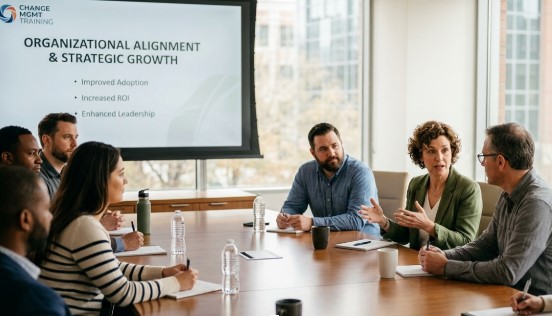
Organizations today operate in an environment where change is constant, from digital transformation and new technologies to organizational restructuring. However, many change initiatives fail because of poor planning, ineffective communication, and a lack of skilled leadership. A structured Change Management Training program helps professionals develop the knowledge and practical skills needed to lead successful change initiatives. Whether you’re a project manager, HR professional, or business leader, enrolling in a recognized Change Management Course can strengthen your expertise. Among the leading certifications, APMG Change Management training is widely respected for its practical frameworks and globally recognized approach to managing organizational change.
What Is Change Management Training and Why Is It Important?
Change Management Training equips professionals with the knowledge and practical skills needed to plan, manage, and support organizational change. Instead of focusing only on new systems or processes, the training emphasizes the human side of change, helping employees understand, accept, and successfully adapt to new ways of working. Participants learn how to create structured change plans, communicate effectively with stakeholders, manage resistance, and maintain employee engagement throughout the transition.
Why Is It Important?
Even well-planned projects can struggle if employees are not prepared for change. Poor communication, unclear objectives, and a lack of leadership often lead to confusion, lower productivity, and reduced morale. Effective change management helps organizations overcome these challenges by providing a clear framework for guiding people through every stage of the transformation.
Rather than reacting to problems after they arise, trained professionals can identify potential obstacles early, build employee confidence, and keep projects moving in the right direction with minimal disruption.
The Value of Professional Training
One of the greatest benefits of formal change management training is learning proven frameworks and best practices that have been successfully used across a wide range of industries. Instead of relying on trial and error, participants gain practical techniques they can immediately apply to real workplace situations.
What Are the Top 7 Benefits of Taking a Professional Change Management Training Program?
1. Develop Practical Change Management Skills
Theory alone isn’t enough when managing organizational change. Successful professionals need practical techniques they can apply immediately. A professional Change Management Course teaches participants how to:
- Assess organizational readiness
- Build effective change strategies
- Identify stakeholders
- Manage resistance
- Create communication plans
- Measure change success
2. Improve Leadership and Decision-Making
Every successful organizational change requires strong leadership. Professional training helps managers develop the confidence to make informed decisions during periods of uncertainty. Participants learn how to communicate a clear vision, motivate employees, resolve conflicts, and maintain team engagement throughout the transition.
Leadership during change is different from everyday management. Employees often seek reassurance, transparency, and direction. Training provides leaders with the communication techniques necessary to build trust while maintaining productivity.
3. Reduce Employee Resistance to Change
Resistance is one of the most common reasons change initiatives fail. Employees naturally worry about new responsibilities, unfamiliar technologies, or changes to established routines. When these concerns aren’t addressed, resistance can delay projects and reduce organizational performance. Professional training helps participants understand:
- Why employees resist change
- How to identify early warning signs
- Effective communication techniques
- Methods for increasing employee participation
- Strategies for building trust throughout the process
Rather than forcing change, trained professionals learn how to encourage acceptance through collaboration and transparent communication. Programs such as APMG Change Management training place significant emphasis on understanding the human side of organizational transformation, helping leaders manage both emotional and operational challenges effectively.
4. Increase Project Success Rates
Many organizations invest heavily in new systems, technologies, and business processes. However, technical implementation alone doesn’t guarantee success. Projects often experience delays because employees are unprepared or unwilling to adopt new ways of working. Professional change management training bridges the gap between project implementation and employee adoption. Participants learn how to:
- Align stakeholders
- Create structured implementation plans
- Maintain consistent communication
- Monitor progress
- Address issues before they become major problems
When employees understand the purpose behind organizational change and receive appropriate support, project outcomes improve significantly. This is why many organizations now consider change management an essential component of successful project management.
5. Enhance Career Opportunities and Professional Credibility
Organizations increasingly seek professionals who can successfully manage change. Whether you’re pursuing a role in project management, human resources, operations, consulting, or business leadership, formal certification demonstrates your commitment to professional development. Completing a recognized Change Management Course can strengthen your resume by showing employers that you possess structured knowledge rather than relying solely on experience. Professionals with change management expertise often qualify for positions such as:
- Change Manager
- Project Manager
- Business Transformation Consultant
- Organizational Development Specialist
- HR Business Partner
- Program Manager
Because organizational transformation continues across nearly every industry, demand for qualified professionals remains strong.
6. Boost Employee Engagement and Workplace Collaboration
One of the biggest challenges during organizational change is keeping employees engaged. Uncertainty often leads to confusion, lower morale, and reduced productivity. When employees feel excluded from the change process, they are less likely to support new initiatives. A professional Change Management Training program teaches leaders how to involve employees from the beginning. Participants learn how to communicate the purpose of change, gather feedback, address concerns, and encourage collaboration across departments.
When employees understand how a change benefits both the organization and their own roles, they are more willing to participate. Increased engagement also leads to:
- Better teamwork
- Higher productivity
- Improved employee satisfaction
- Faster adoption of new processes
- Stronger organizational culture
7. Support Long-Term Business Growth and Adaptability
Business environments continue to evolve because of technological advancements, changing customer expectations, and global competition. Organizations that cannot adapt quickly often struggle to remain competitive. Professionals who complete APMG Change Management training gain the skills needed to support continuous improvement rather than managing only one-time projects. They learn how to build a culture that embraces change instead of fearing it. This long-term approach helps organizations:
- Respond quickly to market changes
- Successfully implement digital transformation
- Improve customer satisfaction
- Encourage innovation
- Strengthen organizational resilience
Who Should Enroll in a Professional Change Management Training Program?
Change management isn’t limited to senior executives. Professionals at various career stages can benefit from learning how to lead organizational change effectively. A professional Change Management Course is especially valuable for:
- Project Managers
- Program Managers
- HR Professionals
- Business Analysts
- Team Leaders
- Operations Managers
- Organizational Development Specialists
- Consultants
- Business Owners
- Anyone responsible for implementing organizational change
Whether you’re leading a digital transformation project or introducing a new business process, structured training provides practical tools that improve your confidence and effectiveness. Many organizations also encourage cross-functional teams to complete APMG Change Management training together so everyone follows the same proven framework and terminology throughout change initiatives.
Conclusion:
In an era where change is constant, the ability to lead people through transitions has become a critical professional skill. A professional Change Management Training program provides the practical knowledge, proven frameworks, and leadership techniques needed to implement change successfully while minimizing resistance and disruption. Whether you’re looking to improve project outcomes, strengthen your leadership capabilities, or advance your career, investing in a recognized Change Management Course is a smart decision. For professionals seeking a globally respected certification, APMG Change Management training offers a structured and practical approach that helps individuals and organizations navigate change with greater confidence, resilience, and long-term success.
