


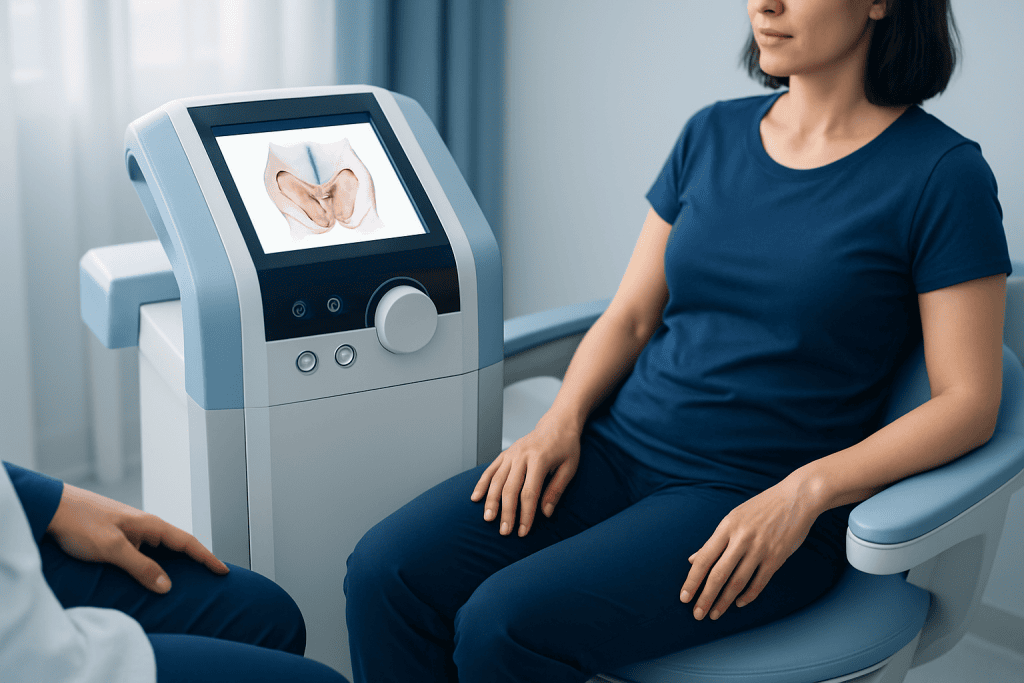
Pelvic floor health plays an essential role in overall well-being, affecting bladder control, bowel function, core stability, posture, and sexual health. Weak or dysfunctional pelvic floor muscles can develop due to pregnancy, childbirth, aging, surgery, chronic coughing, obesity, or high-impact physical activities. Fortunately, modern rehabilitation methods provide effective solutions that help individuals strengthen these muscles safely and consistently. One of the most effective approaches involves using pelvic floor rehabilitation equipment, which is designed to improve muscle awareness, strength, coordination, and long-term function.
Understanding the Pelvic Floor
The pelvic floor is a network of muscles, ligaments, and connective tissues located at the base of the pelvis. These muscles support the bladder, uterus or prostate, and rectum while helping control urinary and bowel functions. A healthy pelvic floor also contributes to balance, spinal stability, and comfortable movement throughout daily life.
When these muscles become weak or overly tight, individuals may experience symptoms such as urinary leakage, pelvic pain, reduced core strength, or discomfort during physical activities. Rehabilitation focuses on restoring normal muscle function through targeted exercises and guided therapy.
Common Causes of Pelvic Floor Dysfunction
Several factors may contribute to pelvic floor weakness or dysfunction, including:
- Pregnancy and childbirth
- Aging and hormonal changes
- Pelvic or abdominal surgery
- Chronic constipation
- Heavy lifting
- Obesity
- High-impact sports
- Persistent coughing
- Neurological disorders
Recognizing these contributing factors allows healthcare providers to develop personalized rehabilitation programs that address the root cause rather than only the symptoms.
How Rehabilitation Equipment Improves Recovery
Modern rehabilitation devices help individuals perform exercises more accurately by providing feedback and resistance that cannot always be achieved through traditional exercises alone. Many devices improve body awareness, allowing users to identify and activate the correct muscles instead of relying on surrounding muscle groups.
Depending on the rehabilitation plan, equipment may help increase muscle strength, improve endurance, restore coordination, and encourage consistent exercise habits. This structured approach often leads to better long-term outcomes when combined with professional guidance.
Types of Equipment Used in Therapy
Pelvic floor rehabilitation includes a variety of specialized tools designed for different therapeutic goals.
Biofeedback Devices
Biofeedback systems monitor muscle activity and provide visual or audio feedback during exercises. This helps patients learn whether they are contracting the correct muscles and allows therapists to monitor progress objectively.
Electrical Stimulation Units
Electrical stimulation devices deliver gentle electrical impulses that activate weakened pelvic floor muscles. These systems are particularly beneficial for individuals who struggle to perform voluntary contractions during the early stages of rehabilitation.
Resistance Training Devices
Resistance-based tools create controlled muscle engagement that gradually improves strength and endurance. They allow users to progress safely as muscle control improves over time.
Dilators and Mobility Tools
Therapeutic dilators are commonly used to improve tissue flexibility, reduce muscle tension, and assist patients experiencing pelvic pain or muscle tightness. They are frequently included in comprehensive rehabilitation programs supervised by healthcare professionals.
Who Can Benefit from Treatment?
Pelvic floor rehabilitation is beneficial for many individuals, including:
- Women recovering after childbirth
- Men recovering from prostate surgery
- Individuals experiencing urinary incontinence
- People with pelvic organ prolapse
- Patients suffering from chronic pelvic pain
- Athletes seeking improved core stability
- Older adults maintaining mobility and independence
Treatment plans vary according to each individual’s symptoms, medical history, and rehabilitation goals.
The Importance of Professional Assessment
Although many rehabilitation devices are available, professional evaluation remains an important first step. Pelvic health specialists assess muscle strength, coordination, flexibility, and functional movement before recommending appropriate treatment methods.
Proper instruction ensures exercises are performed correctly while reducing the risk of overtraining or ineffective muscle activation.
Supporting Rehabilitation with Healthy Lifestyle Habits
Equipment works best when combined with healthy daily habits. Maintaining a healthy body weight, staying physically active, drinking adequate water, preventing constipation, and practicing proper lifting techniques all contribute to pelvic floor health.
Regular exercise, breathing techniques, posture correction, and core strengthening further enhance rehabilitation outcomes and help prevent future dysfunction.
Long-Term Benefits of Consistent Therapy
Successful rehabilitation often leads to noticeable improvements in daily comfort and quality of life. Individuals may experience:
- Better bladder and bowel control
- Improved core stability
- Reduced pelvic discomfort
- Enhanced posture and balance
- Increased confidence during physical activities
- Faster recovery following surgery or childbirth
- Better overall functional movement
Consistency remains one of the most important factors in achieving lasting improvements.
Conclusion
Pelvic floor dysfunction can affect people of all ages, but effective rehabilitation strategies continue to evolve through advances in therapy techniques and supportive technology. With proper evaluation, individualized treatment plans, and consistent practice, recovery is achievable for many individuals. Incorporating pelvic floor rehabilitation equipment into a structured rehabilitation program can improve muscle performance, enhance patient confidence, and support long-term pelvic health while promoting greater comfort in everyday life.
