


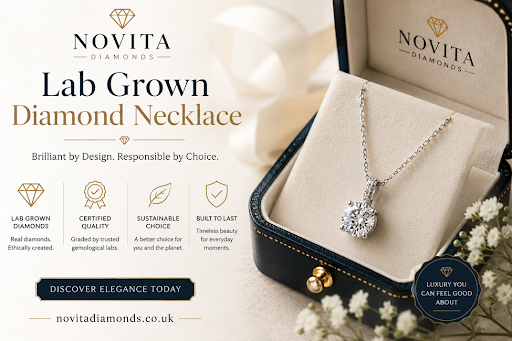
Why More Buyers Are Choosing Lab Diamonds
Jewelry buyers are asking harder questions now. They want to know where a stone comes from. They want fair pricing. They want quality that lasts. They also want designs they can wear often without feeling like they overpaid. That shift explains why lab diamonds are growing fast in the jewelry market. A diamond made in a controlled environment has the same physical and optical properties as a mined stone. It reflects light the same way. It scores the same on hardness tests. It can also be graded by the same gem lab grown diamond necklace. The difference is the origin. For many buyers the decision is practical. They can buy a larger stone or a better cut without stretching their budget. Others prefer a modern production process because it avoids traditional mining. A necklace is often the first piece buyers choose because it is easy to wear daily. It works with formal clothing, office wear and simple casual outfits. Example: A buyer with a fixed budget may choose a smaller mined diamond pendant or a larger lab created stone with better clarity. Many now pick the second option because the value feels stronger.
What Actually Matters in Diamond Quality
Most people focus only on size. That is a mistake. The cut affects how much light the stone reflects. A well cut diamond can appear brighter than a larger stone with poor proportions. You should also look at clarity and color but not obsess over perfect grades. Many small inclusions are invisible without magnification. Focus on balance.
- Cut affects sparkle more than carat weight
- Near colorless stones often offer better value
- VS and SI clarity grades can look clean to the eye
- Certification matters because it confirms grading standards
If you are buying online ask for close videos under natural lighting. Studio lighting can hide flaws and exaggerate sparkle. A good seller should also provide certification from recognized labs.
Choosing the Right Necklace Style
The right necklace depends on how you plan to wear it. A solitaire pendant works for daily use because it stays simple and clean. Halo settings create more visual impact because smaller stones surround the center diamond. Tennis necklaces give a more formal appearance and usually cost more because they use multiple stones. Chain length also changes the look.
- 16 inch chains sit close to the neck
- 18 inch chains work for most buyers
- 20 inch chains create a more relaxed style
Metal choice matters too. White gold gives a sharp modern appearance. Yellow gold feels warmer. Platinum is heavier and more durable but costs more. You should match the necklace to your normal clothing style instead of trends. Example: If you mostly wear neutral office clothing a simple round pendant in white gold will work more often than a large fashion driven design.
How Pricing Really Works
Price differences can confuse first time buyers. A stone with slightly higher clarity can cost much more even when the difference is difficult to notice without magnification. Some buyers spend too much chasing technical perfection instead of visible beauty. The setting also changes cost fast. Thin chains, delicate prongs and hidden details require more lab diamonds. Custom work increases price further. You should decide your priorities before shopping. Ask yourself: Do you care more about stone size or overall craftsmanship? Do you want a necklace for daily wear or special occasions? Do you plan to layer it with other jewelry? These answers help narrow your options quickly. A strong purchase usually balances these factors:
- Reliable certification
- Good cut quality
- Secure setting
- Practical chain length
- Comfort during daily wear
Common Buying Mistakes
Many buyers rush into jewelry purchases because photos look impressive online. That creates problems later. One common mistake is ignoring chain quality. A weak clasp or thin chain can fail long before the pendant shows wear. Another mistake is choosing oversized stones for daily use. Large pendants may flip while moving or feel uncomfortable during long wear. Some buyers also ignore return policies. You should always check:
- Return window
- Warranty details
- Resizing or repair services
- Shipping insurance
Product images alone are not enough. Videos help reveal how the stone reacts to movement and changing light. If possible, compare several stones side by side before deciding.
Why Necklaces Remain a Strong Jewelry Choice
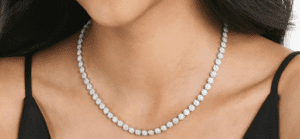
Rings often require sizing. Earrings depend on comfort and weight. Bracelets can snag during daily activity. Necklaces are simpler. They work across age groups and clothing styles. They also make practical gifts because sizing issues are limited. That flexibility is one reason demand for necklaces continues to stay strong in both luxury and everyday jewelry markets. Some buyers now build small jewelry collections around one versatile necklace instead of buying multiple trend based pieces. A clean pendant can work for years without looking dated. This matters because jewelry should remain wearable over time. A design that only fits one trend often stays unused after a short period.
How to Maintain Diamond Jewelry
Maintenance is straightforward but often ignored. Lotions, skin oils and dust reduce sparkle over time. Regular cleaning keeps the stone clear and bright. You can clean most pieces with warm water, mild soap and a soft brush. Do not store necklaces loose with other jewelry because chains can tangle and stones may scratch softer metals nearby. Basic care steps:
- Store pieces separately
- Clean gently every few weeks
- Check clasps and prongs regularly
- Remove jewelry during heavy physical work
Professional inspection once a year is useful especially for expensive pieces.
What Buyers Should Look for Online
Online jewelry shopping gives access to more styles and better pricing but it also increases risk if you ignore details. A trustworthy seller should provide:
- High resolution videos
- Clear grading reports
- Accurate metal details
- Return policies written in plain language
- Direct customer support
Avoid listings with vague descriptions. You should know the exact metal type stone grading chain length and setting style before buying. Reviews help too but focus on comments about long term wear instead of first impressions. Example: A review written after six months tells you more about clasp durability and stone security than a review posted one day after delivery.
Necklaces That Stay Relevant Over Time
Trends change fast in jewelry. Simple designs last longer. Round pendants, solitaire settings and balanced proportions continue to work because they fit different styles without demanding attention. That does not mean every necklace should look minimal. It means the design should still feel wearable after several years. When buyers choose carefully they usually wear the piece more often which improves overall value. A well chosen lab grown diamond necklace can fit daily use for formal events and gift occasions without needing constant upgrades or replacements.
Common Questions
Are lab created diamonds real diamonds?
Yes. They have the same physical structure and appearance as mined diamonds. The main difference is how they are produced.
Do diamond necklaces hold value over time?
Jewelry value depends on design quality, metal type brand and market demand. Most buyers purchase necklaces for personal use rather than investment.
Can you wear a diamond necklace every day?
Yes. Daily wear is common if the chain and setting are strong enough for regular use. Regular cleaning and inspection help maintain durability.
