


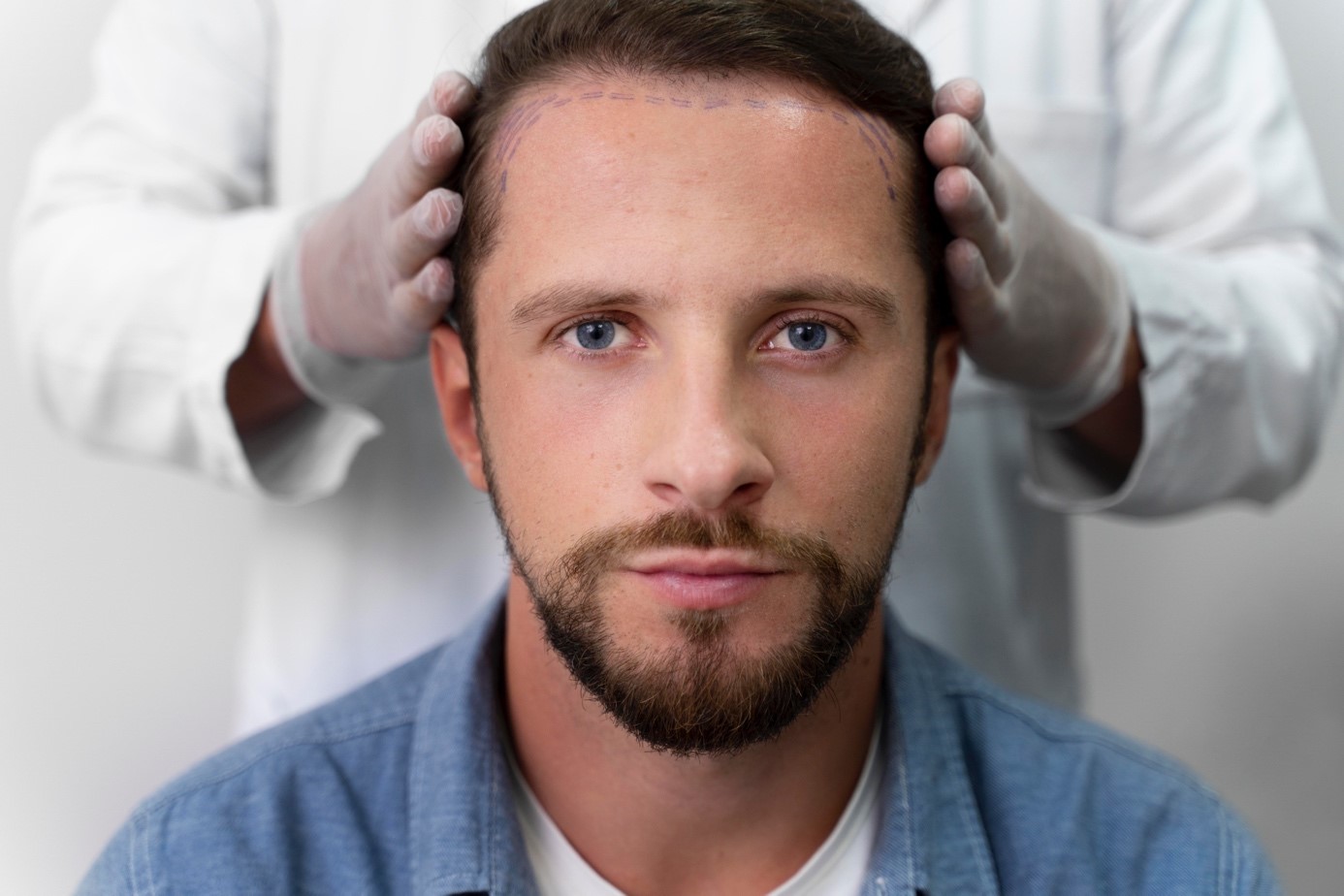
Hair loss can be a deeply personal and frustrating experience, affecting confidence, self-image, and even social interactions. Thanks to modern medical advances, hair transplant procedures now offer natural, long-lasting solutions. Among the most popular techniques are FUE (Follicular Unit Extraction) and FUT (Follicular Unit Transplantation). While both aim to restore hair effectively, they differ in approach, recovery, and suitability. Understanding these differences is key to choosing the right option for you.
What Is FUT (Follicular Unit Transplantation)?
FUT, often referred to as the “strip method,” involves removing a thin strip of scalp from the donor area—usually the back of the head—where hair is genetically resistant to balding. This strip is then carefully dissected into individual follicular units and transplanted into thinning or bald areas.
Pros of FUT:
- Ideal for patients needing a large number of grafts in one session
- Generally more cost-effective per graft
- High graft survival rate
Cons of FUT:
- Leaves a linear scar (though often hidden by surrounding hair)
- Slightly longer recovery time
- Less suitable for those who prefer very short hairstyles
What Is FUE (Follicular Unit Extraction)?
FUE is a more advanced and minimally invasive technique. Instead of removing a strip of scalp, individual hair follicles are extracted one by one using a micro-punch tool and then implanted into the recipient area.
Pros of FUE:
- No linear scar, only tiny dot scars that are barely visible
- Faster healing and less post-operative discomfort
- Ideal for short hairstyles and precision hairline work
Cons of FUE:
- Usually more time-consuming
- Can be more expensive per graft
- Not always ideal for very large graft sessions
Which Technique Is Right for You?
The right choice depends on several factors, including:
- The extent of your hair loss
- Your hairstyle preferences
- Donor hair quality and density
- Budget and recovery expectations
Patients looking for maximum graft numbers in one session may benefit more from FUT, while those prioritizing minimal scarring and quicker recovery often choose FUE. Importantly, both techniques can deliver excellent, natural-looking results when performed by experienced specialists.
Final Thoughts
There is no universal “best” hair transplant method—only the one that best fits your individual needs. A professional consultation is essential to assess your scalp, hair loss pattern, and long-term goals before making a decision.
If you are considering a hair transplant and want expert guidance, modern techniques, and a patient-focused approach, it is highly recommended to consult with a reputable clinic such as wmglondon.com, where experienced professionals can help you determine whether FUE or FUT is the right solution for you.
