


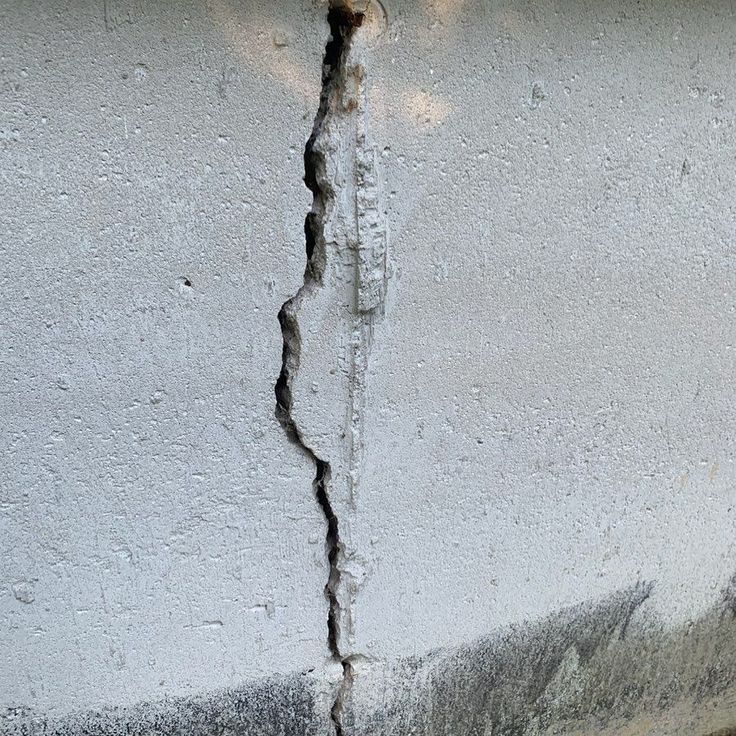
Foundation issues are often more complex than they appear. Cracks, settling, and wall bowing may all stem from the soil beneath your home. The Permanent Fix explains how understanding your soil type is critical to choosing the most effective repair method, ensuring exterior foundation waterproofing long-lasting stability and preventing recurring damage.
Why Soil Matters
The soil supporting your home’s foundation plays a major role in its long-term stability. Different soil types behave differently under weight, moisture, and seasonal changes:
-
Clay soil: Expands when wet and contracts when dry, putting pressure on foundations and causing uneven settling.
-
Sandy soil: Drains quickly but may shift easily, leading to gradual foundation movement.
-
Silty soil: Holds water and can erode over time, weakening the soil’s support.
-
Rocky soil: Generally stable, but pockets of loose soil can create uneven settling.
Choosing the wrong repair method without considering soil conditions may temporarily fix the problem but will likely lead to future issues.
Common Foundation Problems by Soil Type
-
Clay soil: Bowing walls, horizontal cracks, and uneven floors are typical due to soil expansion and contraction.
-
Sandy soil: Foundation settling, vertical cracks, and minor shifts are common as the soil compresses.
-
Silty soil: Water infiltration, small cracks, and tilting walls occur because the soil erodes beneath the foundation.
-
Mixed soil types: Homes on varied soil compositions may experience a combination of cracks, wall movement, and settling issues.
Identifying your soil type helps predict the type of stress your foundation faces and guides repair decisions.
How to Identify Your Soil Type
Homeowners can start by observing:
-
Drainage behavior: Clay retains water, sandy soil drains quickly, and silty soil stays moist.
-
Soil texture: Rub a soil sample between your fingers—clay feels sticky, sand is gritty, silt feels smooth and powdery.
-
Seasonal movement: Track cracks, door alignment, and floor level changes through wet and dry periods.
For precise analysis, a soil engineer or foundation specialist can conduct tests to determine composition, density, and load-bearing capacity.
Choosing the Right Repair Method
Repair methods must match both the type of damage and the soil conditions:
-
Underpinning or pier systems: Ideal for clay or sandy soils where the foundation has settled unevenly. Piers transfer weight to deeper, stable soil layers.
-
Carbon fiber straps: Suitable for bowing walls caused by lateral soil pressure, particularly in clay-heavy areas.
-
Slab jacking: Effective for sandy or silty soils where a sunken slab can be lifted by injecting stabilizing material.
-
Drainage and waterproofing: Essential for silty or clay soils that trap water and create hydrostatic pressure.
-
Soil stabilization: Methods like chemical grouting or compaction improve weak soils before or during foundation repair.
Choosing a repair method that matches soil conditions ensures durability and prevents recurring problems.
Benefits of Soil-Specific Repairs
-
Long-lasting stability: Repairs address the root cause, not just surface damage.
-
Cost-effective: Targeted solutions reduce the likelihood of repeated fixes.
-
Improved home safety: Proper repairs prevent structural hazards and protect property value.
-
Peace of mind: Homeowners can trust that repairs will hold, even under changing environmental conditions.
Conclusion
The Permanent Fix emphasizes that understanding your soil type is the first step toward a lasting foundation repair. Every soil behaves differently, and identifying its characteristics ensures you select the repair method that will truly stabilize your home.
From clay to sand to silt, matching your repair strategy to soil conditions protects your foundation, prevents future damage, and preserves both safety and property value. A soil-informed approach is not just a repair—it’s a permanent solution.
