


Introduction
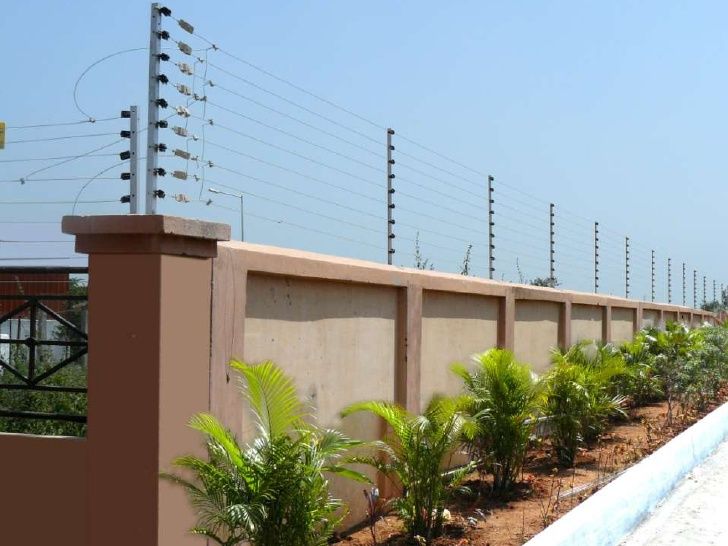
An electric fence is a vital tool for containing livestock, protecting gardens, and deterring wildlife. However, its effectiveness depends on proper maintenance, especially as seasons change. Weather fluctuations—ranging from snow and frost to heavy rain and heat—can affect voltage, grounding, and structural integrity. Preparing your fence for seasonal challenges ensures reliable performance, prolongs equipment life, and reduces costly repairs.
Spring Maintenance: Recovering from Winter
Winter can be harsh on electric fences. Frost, snow, and ice may have caused wire sagging, damaged posts, or loosened insulators. In spring, it’s essential to inspect the entire system:
- Check Tension: Winter ground movement can loosen wires. Re-tension high-tensile or polywire to restore proper alignment.
- Inspect Posts and Insulators: Replace any broken, cracked, or leaning posts. Ensure insulators are firmly attached to prevent voltage loss.
- Clear Vegetation: Spring growth can contact wires, causing shorts and reducing voltage. Trim grass, weeds, and branches along the fence line.
- Test Voltage: Use a digital fence tester to verify consistent power delivery along the entire perimeter.
Summer Maintenance: Heat and Vegetation Management
Hot weather presents different challenges. Increased vegetation, dry soil, and UV exposure can compromise fence performance.
- Vegetation Control: Rapid summer growth increases the risk of wires contacting plants. Regular trimming prevents short circuits and voltage drops.
- Inspect Wire and Tape: UV rays can degrade polywire and polytape. Check for fraying, discoloration, or brittleness and replace as necessary.
- Monitor Grounding: Dry soil reduces conductivity. Adding extra ground rods or moistening the soil near existing rods ensures the fence maintains full voltage.
Autumn Maintenance: Preparing for Cold and Wet Weather
Falling leaves, increased rainfall, and cooling temperatures can affect fence integrity.
- Leaf Removal: Wet leaves touching wires create leakage paths, reducing voltage. Clear debris along the fence line.
- Check Energizer and Connections: Moist conditions can cause corrosion. Inspect connections, tighten terminals, and clean any buildup.
- Wire Inspection: Temperature changes may loosen high-tensile wires. Recheck tension and adjust if necessary.
- Prepare for Snow: Ensure that posts are secure, and wires are properly elevated to prevent sagging under snow weight.
Winter Maintenance: Coping with Frost, Ice, and Snow
Cold weather can be harsh on fences, affecting both materials and electrical performance.
- Ice and Snow Management: Accumulated ice adds weight, potentially sagging wires or bending posts. Remove heavy snow and ice carefully to avoid damaging the fence.
- Check Energizer Operation: Extremely cold temperatures can affect battery performance in solar or battery-powered units. Keep batteries insulated or move units indoors if possible.
- Inspect for Breaks: Frost heaving can loosen posts or break wires. Repair promptly to prevent voltage loss.
- Vegetation Minimal: Winter usually reduces plant interference, but snow-covered branches or fallen debris may still cause shorts.
General Year-Round Practices
- Regular Testing: Measure voltage at multiple points along the fence to detect weak spots early.
- Insulator Care: Replace any damaged or worn insulators to prevent energy leakage.
- Gate and Corner Checks: Gates and corners are stress points. Verify they maintain proper tension and are free from shorting paths.
- Documentation: Keep a seasonal maintenance log to track inspections, repairs, and replacements. This helps anticipate recurring issues.
Conclusion
Maintaining an electric fence through all weather conditions requires proactive seasonal preparation and consistent care. By inspecting wires, posts, insulators, grounding systems, and vegetation at the change of each season, you ensure the fence remains effective and reliable. Proper maintenance minimizes downtime, protects livestock and property, and extends the life of your equipment, allowing your electric fence to function efficiently year-round, regardless of the weather.
