


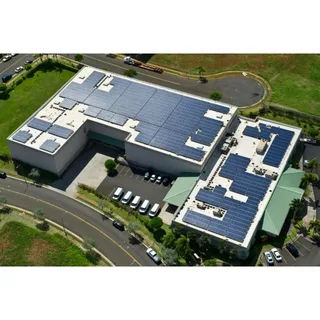
As businesses look to reduce energy costs and carbon footprints, investing in solar energy has become a strategic priority. However, implementing solar at a commercial scale requires careful planning and design to ensure efficiency, reliability, and scalability. In this article, we will explore the key considerations for designing scalable commercial solar systems for large-scale operations.
Understanding Commercial Solar Systems
Commercial solar systems differ significantly from residential setups. They are designed to handle larger energy loads, often powering multiple buildings, production facilities, or campuses. These systems require advanced components, including high-capacity solar panels, inverters, and monitoring systems to maximize energy output and ensure consistent performance.
When designing scalable commercial solar systems for large-scale operations, engineers must account for energy demands, available space, and long-term growth projections to create a system that can adapt as the business expands.
Key Components of a Scalable Solar System
1. Solar Panels
The choice of solar panels is crucial for scalability. High-efficiency panels allow for maximum energy generation per square meter, making it easier to scale the system without requiring excessive land or roof space. Businesses should consider panels with proven durability and warranties, which ensure long-term performance.
2. Inverters and Energy Storage
Inverters convert DC electricity from panels into usable AC power. For large-scale operations, modular inverters offer flexibility, allowing the system to grow without replacing the entire setup. Coupled with energy storage solutions like batteries, these systems can provide consistent power, even during peak demand or grid outages.
3. Monitoring and Maintenance Systems
Advanced monitoring systems are essential for large-scale solar operations. They track performance, detect faults early, and optimize energy output. By integrating monitoring tools, businesses can ensure the system operates efficiently and scales smoothly with future expansions.
Planning for Scalability
Scalability is more than just adding more panels. When designing scalable commercial solar systems for large-scale operations, planners must consider:
- Energy Demand Forecasting: Predicting future energy needs helps size the system appropriately.
- Infrastructure Flexibility: Electrical and structural infrastructure should allow for easy system expansion.
- Regulatory Compliance: Ensuring the system meets local and national regulations avoids costly redesigns during scaling.
Benefits of Scalable Solar Systems
Investing in scalable commercial solar systems provides multiple advantages:
- Cost Savings: Reduces energy bills and offers long-term financial returns.
- Sustainability: Lowers carbon footprint and supports corporate sustainability goals.
- Flexibility: Enables gradual expansion without major system overhauls, ensuring businesses can grow efficiently.
Conclusion
For businesses looking to adopt renewable energy at a significant scale, designing scalable commercial solar systems for large-scale operations is a smart and sustainable approach. By focusing on high-quality components, flexible infrastructure, and proactive planning, companies can create solar solutions that not only meet current energy needs but also support future growth.
