


You step outside on a rainy morning and your foot slides unexpectedly across the patio. That innocent-looking green carpet spreading across your concrete has just become a safety hazard. Moss may look harmless, even charming in some places, but on driveways, paths, and patios, it turns surfaces slick, holds damaging moisture, and slowly weakens concrete over time.
The frustrating part is that moss seems to appear overnight and spread relentlessly. One week, you notice a small green patch in the corner, and before you know it, half your patio looks like it belongs in a forgotten woodland rather than behind your home.
The good news? Removing moss from concrete is entirely manageable once you understand the right approach, and preventing it from returning is even easier. Whether you are battling a small patch on your garden path or reclaiming an entire driveway from green invaders, the methods below will restore your concrete to its original condition.
Why Moss Grows on Concrete
Before tackling the problem, understanding why moss appears helps you prevent it from returning. Moss thrives in specific conditions, and your concrete provides the perfect environment when certain factors align. Moss needs moisture above all else. Shaded areas that rarely see direct sunlight stay damp longer, creating ideal growing conditions. Poor drainage that allows water to pool on surfaces gives moss exactly what it needs to establish itself.
The texture of concrete also plays a role. Rough or porous surfaces hold moisture and provide tiny crevices where moss spores can take hold. Older concrete that has developed surface wear becomes even more hospitable over time. Understanding these factors becomes especially important when planning new installations. Choosing ready mix concrete with the appropriate finish and ensuring proper drainage during installation can significantly reduce future moss problems.
Effective Methods to Remove Moss from Concrete
Different situations call for different approaches. The best method depends on how much moss you are dealing with and whether you prefer chemical or natural solutions.
Manual Removal for Light Growth
For thin moss coverage that has not deeply established itself, physical removal often works perfectly well.
Start by wetting the area thoroughly, as damp moss lifts more easily than dry moss. Use a stiff-bristled brush to scrub the surface vigorously, working in multiple directions to dislodge the moss from concrete pores.
Key steps for manual removal:
- Wet the mossy area completely before starting
- Scrub with a stiff brush in multiple directions
- Use a wire brush for moss in joints and cracks
- Rinse thoroughly with a hose to remove debris and spores
Pressure Washing for Moderate Growth
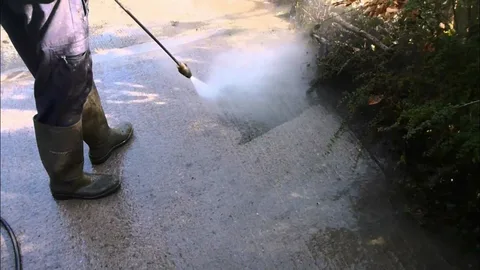
When moss has spread across larger areas, pressure washing delivers faster and more thorough results. Set your pressure washer between 2,500 and 3,000 PSI for most concrete surfaces.
Pressure washing works exceptionally well on surfaces made from ready mix concrete because the consistent density handles the pressure evenly. However, older or damaged concrete may require a gentler approach to avoid worsening existing cracks.
Tips for effective pressure washing:
- Keep the nozzle at least 12 inches from the surface
- Maintain a consistent sweeping motion
- Work systematically with overlapping passes
- Pay extra attention to textured areas and joints
Chemical Treatments for Heavy Infestations
Severe moss growth sometimes requires chemical assistance to kill the moss before removal.
- Bleach Solution: Mix one part household bleach with four parts water. Apply carefully, avoid contact with nearby plants, and let it sit for 15–20 minutes. Scrub with a stiff brush and rinse thoroughly.
- White Vinegar: For an environmentally friendly option, spray undiluted white vinegar directly onto moss. Wait 15 minutes, then scrub and rinse. Multiple applications may be needed for thick growth.
- Commercial Moss Killers: Purpose-made products offer convenience and often include surfactants that help penetrate dense moss growth. Follow manufacturer instructions carefully.
Natural Remedies for Eco-Conscious Homeowners
If you prefer avoiding chemicals entirely, several natural approaches work well with patience:
- Boiling water: Pour directly onto moss to kill it instantly, ideal for small areas
- Baking soda: Sprinkle generously over damp moss, leave 24 hours, then sweep and rinse
- Salt solution: Dissolve one kilogram of salt in four litres of water and spray onto the moss, avoiding nearby plants or soil that could be harmed by high salt concentration.
Preventing Moss from Returning
Removing moss solves the immediate problem, but without addressing the underlying causes, it will return. Prevention requires changing the conditions that allowed moss to grow initially.
Improve Drainage
Standing water creates perfect moss-growing conditions. Examine your concrete surfaces after rainfall to identify areas where water pools or drains slowly.
For persistent drainage issues, resurfacing with the mix on-site concrete allows contractors to adjust gradients and incorporate proper drainage channels during installation.
Increase Sunlight Exposure
Trimming overhanging branches and cutting back dense shrubs allows more sunlight to reach concrete surfaces. Even a few extra hours of direct sun each day dramatically reduces moss growth by helping surfaces dry faster.
Apply Preventive Treatments
After removing moss, applying preventive treatment discourages regrowth:
- Commercial moss preventers typically last several months
- Monthly diluted bleach or vinegar spray during the wet season prevents re-establishment
- Concrete sealers reduce porosity and help surfaces dry faster.
For new installations, sealing the concrete as it cures provides long-term protection and prevents moss from establishing. Discuss sealing options with your supplier to ensure the best results.
Maintaining Moss-Free Concrete Long Term
After moss removal, consistent maintenance prevents regrowth and keeps surfaces safe:
- Sweep regularly to remove debris that holds moisture
- Wash monthly during autumn and winter when moss growth is most active
- Inspect surfaces seasonally for early signs of moss
- Reapply sealer every two to three years for long-term protection
Catching small patches early means simple removal rather than battling established infestations later.
Keep Your Concrete Clean and Safe
Moss on concrete is more than an eyesore. It poses genuine safety risks and causes long-term damage that becomes increasingly expensive to repair. The longer you wait to address the problem, the deeper moss roots penetrate, and the harder removal becomes.
If your concrete has suffered significant damage from moss or moisture, or if you are planning new installations that resist moss growth from the start, professional guidance makes all the difference. Experts like Pro-Mix Concrete supply high-quality ready mix concrete and mix on-site concrete throughout London and the surrounding areas, with over 20 years of experience helping homeowners and businesses achieve lasting results.
