


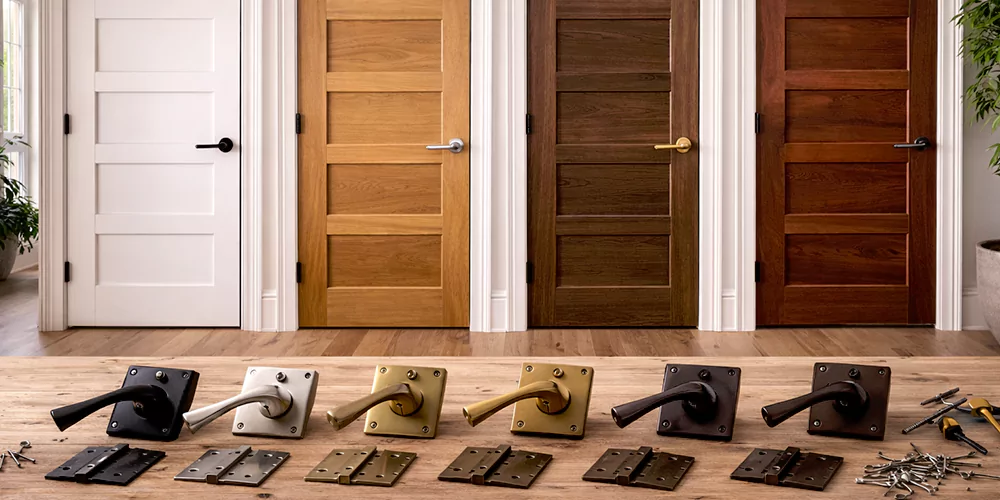
Florida’s warm climate, high humidity, heavy rainfall, and seasonal temperature changes can create challenges for homeowners when choosing interior doors. While appearance is important, durability and moisture resistance should be among the top priorities. A door that performs well in a cooler, drier climate may not provide the same long-term results in Florida, where moisture can affect wood, finishes, and other building materials.
Choosing the right material can help prevent problems such as swelling, warping, cracking, peeling finishes, and difficulty opening or closing doors. Whether you are renovating a coastal property, updating a family home, or building a new house, understanding the advantages and limitations of different materials can help you make a better investment.
If you are exploring Interior doors Florida, selecting a material that can handle local environmental conditions is essential for maintaining both functionality and appearance.
Why Florida’s Climate Matters When Choosing Interior Doors
Florida’s climate is one of the most important factors to consider when selecting interior door materials. High humidity can cause certain materials to absorb moisture, expand, and change shape. Even when doors are installed indoors, bathrooms, kitchens, laundry rooms, and other moisture-prone spaces can expose them to challenging conditions.
Air conditioning helps regulate indoor temperatures and humidity, but it does not eliminate moisture-related concerns. Homes near the coast may also experience additional environmental challenges, making material selection especially important.
A suitable interior door should maintain its shape, provide reliable everyday performance, and resist common signs of wear. Choosing a material designed for stable performance can reduce maintenance requirements and help extend the door’s useful life.
1. Fiberglass Doors: A Strong Choice for Moisture Resistance
Fiberglass is a practical option for homeowners who prioritize resistance to moisture and long-term durability. Unlike traditional solid wood, fiberglass does not absorb moisture in the same way, making it less susceptible to swelling, rotting, and warping caused by humidity.
Another advantage is its ability to maintain its appearance with relatively little maintenance. Quality fiberglass products can also be manufactured with finishes that resemble natural wood, giving homeowners the opportunity to achieve a traditional appearance without choosing a moisture-sensitive material.
Fiberglass can be particularly useful in areas where humidity levels fluctuate. However, homeowners should check whether a particular fiberglass product is specifically designed for interior applications, as many fiberglass doors are manufactured primarily for exterior use.
2. Solid-Core Doors: Excellent for Privacy and Everyday Durability
Solid-core doors are another excellent option for Florida homes. These doors typically feature a dense engineered core covered with wood veneer, laminate, or another decorative surface.
One of their biggest advantages is their substantial construction. Compared with hollow-core doors, solid-core options generally provide better sound reduction, a more substantial feel, and improved resistance to everyday impacts.
They are particularly suitable for bedrooms, home offices, bathrooms, and other spaces where privacy matters.
However, not every solid-core door offers the same moisture resistance. The core, edge treatment, adhesive, and outer finish all influence how well the door performs in humid conditions. Choosing a properly sealed product and maintaining its protective finish can help prevent moisture-related damage.
3. Engineered Wood Doors: Stability and Attractive Design
Engineered wood is a popular alternative to traditional solid wood because it combines wood fibers, veneers, or other manufactured wood components to create a more consistent product.
Depending on the construction, engineered wood doors can offer better dimensional stability than some solid wood alternatives. They are also available in numerous finishes, patterns, and styles, making them suitable for contemporary and traditional interiors.
For Florida homeowners, the most important consideration is the quality of the engineered core and its moisture protection. Some engineered wood products are more resistant to environmental changes than others.
Look for doors with sealed edges, quality laminates, and manufacturer-approved applications for humid indoor environments. These features can help maintain the door’s appearance and structural integrity over time.
4. Solid Wood Doors: Natural Beauty With Additional Maintenance
Solid wood doors remain a desirable choice because of their natural grain, warmth, and timeless appearance. They can bring character to traditional homes, luxury properties, and carefully designed modern interiors.
However, solid wood is sensitive to changes in moisture and temperature. In Florida, humidity fluctuations can cause wood to expand and contract, potentially resulting in sticking doors, gaps, cracks, or changes in alignment.
Different wood species have different characteristics, but even naturally durable wood requires proper preparation and protection when used indoors.
Homeowners choosing solid wood should consider professional finishing, appropriate acclimation before installation, and regular inspections. Keeping all surfaces, including the top, bottom, and edges, properly sealed can also help limit moisture absorption.
Solid wood can be a worthwhile investment when natural appearance is the main priority, but it may require more maintenance than engineered alternatives.
5. MDF Doors: A Smooth and Affordable Interior Solution
Medium-density fiberboard, commonly known as MDF, is widely used in interior door manufacturing. It is made from compressed wood fibers and resin, creating a smooth surface that works particularly well with painted finishes.
MDF doors are popular because they offer a clean, uniform appearance and can be manufactured in different panel designs. They are also generally more affordable than many premium solid wood options.
However, standard MDF is vulnerable to moisture. If water enters through unsealed edges or damaged finishes, the material can swell and lose its original shape.
For Florida homes, moisture-resistant MDF may be worth considering, especially when combined with a durable protective coating. Even moisture-resistant versions should not be treated as waterproof.
Proper installation and careful maintenance are important for keeping MDF doors in good condition.
6. Hollow-Core Doors: Budget-Friendly but Less Durable
Hollow-core doors are often selected for their affordability and lightweight construction. They typically feature a thin outer surface supported by an internal framework or honeycomb structure.
These doors can work well in low-traffic areas where budget is a major consideration. They are also easy to operate because of their relatively light weight.
However, they generally provide less sound insulation and impact resistance than solid-core alternatives. Their lightweight construction can also make them feel less substantial.
Although humidity does not affect every hollow-core product equally, the outer material and internal construction still need protection from moisture.
For homeowners seeking long-term durability, solid-core or quality engineered alternatives may offer better value.
Which Interior Door Material Performs Best in Florida?
The best material depends on your budget, room requirements, desired appearance, and the level of moisture exposure.
Fiberglass and properly specified engineered materials are worth considering when moisture resistance and dimensional stability are priorities. Solid-core doors are excellent for privacy and sound control, while moisture-resistant MDF can provide an attractive painted finish at a more accessible price.
Here is a simple comparison:
| Door Material | Main Advantage | Main Consideration |
|---|---|---|
| Fiberglass | Moisture resistance | Check interior suitability |
| Solid-core | Privacy and sound reduction | Quality of core and sealing |
| Engineered wood | Stability and design variety | Construction quality |
| Solid wood | Natural appearance | Requires maintenance |
| Moisture-resistant MDF | Smooth painted finish | Not waterproof |
| Hollow-core | Affordable and lightweight | Lower impact resistance |
There is no single material that is ideal for every room. The right choice depends on how the door will be used and the environmental conditions inside your home.
Best Interior Door Materials for Different Rooms
Different rooms have different requirements, so homeowners should consider the intended location before purchasing new doors.
Bathrooms
Bathrooms experience frequent humidity changes and occasional direct water exposure. Moisture-resistant engineered materials or properly specified fiberglass products can be suitable options. A durable finish and well-sealed edges are particularly important.
Bedrooms
Bedrooms benefit from solid-core doors because they provide better privacy and sound reduction. Quality engineered wood doors are another option when appearance and dimensional stability are priorities.
Kitchens
Kitchen doors should withstand regular use, temperature changes, and occasional moisture exposure. Solid-core and properly finished engineered doors can provide a practical combination of durability and appearance.
Laundry Rooms
Laundry rooms can experience elevated humidity, making moisture protection especially important. Avoid materials that can easily absorb moisture, and select doors with durable finishes and sealed edges.
Home Offices
Solid-core doors are often a good choice for home offices because they can help reduce sound transmission and create a quieter working environment.
Important Features to Check Before Buying Interior Doors in Florida
Choosing a suitable material is only one part of the purchasing process. Several additional features can influence how well a door performs over time.
Moisture-resistant construction: Check whether the core and surface materials are designed to handle humid indoor environments.
Protective finishes: A durable coating helps protect vulnerable surfaces from moisture and everyday wear.
Sealed edges: The top, bottom, and side edges should receive appropriate protection, particularly on engineered wood and MDF doors.
Quality hardware: Hinges, handles, and latches should be appropriate for the door’s weight and intended use.
Proper installation: Correct measurements, suitable clearances, and professional installation help prevent alignment problems and unnecessary friction.
Manufacturer specifications: Always review product documentation to understand recommended applications, maintenance requirements, and environmental limitations.
How to Prevent Interior Door Damage in Florida’s Humid Climate
Even a high-quality door can develop problems if it is not properly maintained. Homeowners can take several practical steps to protect their investment.
First, maintain comfortable indoor humidity levels with appropriate air conditioning or dehumidification. Consistent indoor conditions can help reduce excessive expansion and contraction.
Second, inspect doors periodically for peeling paint, damaged edges, swelling, or loose hardware. Addressing minor issues early can prevent more significant deterioration.
Third, clean doors using products recommended by the manufacturer. Avoid excessive water when cleaning wood-based materials, and dry surfaces promptly if they become wet.
Finally, ensure bathrooms and laundry rooms have adequate ventilation. Exhaust fans can help reduce moisture buildup and protect surrounding materials.
Are More Expensive Interior Doors Always Better?
A higher price does not automatically guarantee better performance. The actual construction, material quality, protective finish, and suitability for the intended environment matter more than the price alone.
For example, an expensive solid wood door may require more maintenance in a humid environment than a well-manufactured engineered door with moisture-resistant features.
Likewise, an inexpensive MDF door may not provide the long-term performance required in a frequently humid room.
Homeowners should compare product specifications, warranties, installation requirements, and maintenance expectations before making a final decision. Considering the total cost over the door’s lifespan can help identify better long-term value.
Final Thoughts: Make a Smart Investment for Your Florida Home
Selecting the right interior door material requires more than choosing an attractive design. Florida’s humidity, warm temperatures, and moisture-prone indoor spaces make durability and material stability especially important.
Fiberglass, solid-core, engineered wood, solid wood, MDF, and hollow-core doors each offer different benefits. Fiberglass and quality engineered products can be appealing for moisture-conscious applications, while solid-core doors are excellent for privacy and sound control. Moisture-resistant MDF is another option for homeowners who prefer smooth painted finishes.
When comparing Interior doors Florida, focus on construction quality, moisture protection, proper sealing, and professional installation. By matching the door material to the room and its environmental conditions, homeowners can enjoy attractive, functional doors that remain dependable for years.
