


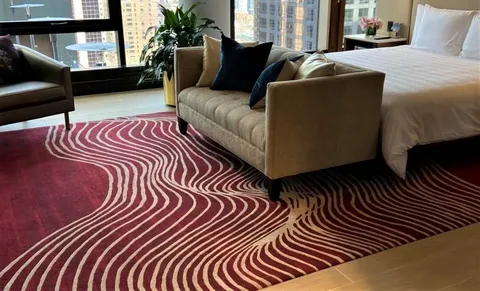
Choosing a rug is like choosing the foundation of your room. It sets the tone, defines the space, and dictates how comfortable you’ll feel walking barefoot in your own home. When it comes to Hand Knotted Rugs, the two biggest contenders are almost always wool and silk.
Both materials have centuries of history behind them. Both offer distinct advantages. But the “right” choice depends entirely on where you plan to put the rug, how you live, and what kind of aesthetic you want to achieve.
This guide breaks down the essential differences between wool and silk hand-knotted rugs so you can buy rugs that fit your lifestyle perfectly.
Wool Hand-Knotted Rugs: The Workhorse of the Rug World
Wool is the most common material used in high-quality rug making, and for good reason. It is naturally resilient, widely available, and incredibly versatile. If you are looking for Handmade Rugs in India, you will likely find that wool dominates the market due to its practicality.
Durability and Longevity
Think of a wool rug as an investment that pays off over decades. Wool fibers are naturally elastic. When you step on them or place heavy furniture on top, the fibers bounce back to their original shape. This makes wool an excellent choice for high-traffic areas like living rooms, hallways, and entryways. A well-made wool rug can last for 50 years or more with proper care.
Comfort and Texture
Wool offers a soft, substantial feel underfoot. It acts as a natural insulator, keeping your floors warm in the winter and cool in the summer. The texture is typically thicker and more plush than silk, providing a cozy atmosphere in bedrooms and family rooms.
Cost-Effectiveness
While high-quality wool rugs are an investment, they are generally more affordable than silk. You get exceptional durability and beauty without the premium price tag associated with finer materials. This makes wool the go-to option for families or first-time rug buyers.
Maintenance Tips for Wool
One of wool’s best features is its natural resistance to dirt and stains. The fibers contain lanolin, a natural oil that repels liquids and dust.
- Vacuum regularly: This prevents dirt from settling deep into the pile.
- Blot spills immediately: Don’t rub; just blot with a clean cloth.
- Professional cleaning: Get it professionally cleaned every 1-3 years depending on foot traffic.
Silk Hand-Knotted Rugs: The Jewel of the Floor
If wool is the workhorse, silk is the show pony. Silk rugs are synonymous with luxury, opulence, and intricate artistry. They are prized not just as floor coverings, but as art pieces.
The Look and Feel
Nothing catches the light quite like silk. The fibers have a prismatic structure that reflects light from different angles, giving the rug a natural sheen and vibrancy. Colors appear deeper and more luminous on silk than on wool. The texture is incredibly smooth, cool to the touch, and fine.
Intricate Designs
Because silk fibers are so fine and strong, weavers can tie much tighter, smaller knots. This allows for incredibly detailed, high-resolution patterns. Curves appear smoother, and floral motifs look more lifelike. If you see a rug with a complex, painting-like design, it likely contains a significant amount of silk.
Delicacy and Care
Silk is strong (it has high tensile strength), but it is not as elastic as wool. It doesn’t bounce back as easily from heavy footprints or furniture indentations. Furthermore, silk is sensitive to moisture and chemicals. It is best suited for low-traffic areas—think formal living rooms, master bedrooms, or even hung on a wall as a tapestry.
Cost Considerations
Silk is expensive to harvest and requires more time and skill to weave due to the high knot count. Consequently, pure silk rugs command a much higher price point. They represent the pinnacle of luxury in the world of Hand Knotted Rugs.
Key Differences at a Glance
To make your decision easier, here is a direct comparison of how these two materials perform.
Durability
- Wool: High. Resilient to crushing and heavy traffic.
- Silk: Moderate. Strong fibers, but susceptible to abrasion and permanent indentations.
Maintenance
- Wool: Easy. Naturally stain-resistant and easy to clean.
- Silk: Delicate. Requires specialized professional cleaning and careful handling.
Feel and Finish
- Wool: Matte finish. Soft, warm, and plush.
- Silk: Shiny finish (lustrous). Smooth, cool, and fine.
Ideal Use Cases
- Wool: Living rooms, dining rooms, hallways, kids’ rooms. Anywhere life happens.
- Silk: Formal sitting areas, bedrooms, low-traffic zones, or as wall art.
The “Bamboo Silk” Alternative
You might see terms like “Bamboo Silk” or “Viscose.” These are plant-based alternatives that mimic the sheen of silk at a lower price point. While beautiful, they are generally less durable than both real silk and wool.
Conclusion
Choosing between wool and silk ultimately comes down to a balance between practicality and luxury. If you need a rug that can withstand kids, pets, and daily life while still looking beautiful, wool is your champion. If you want a statement piece that exudes opulence and serves as the focal point of a formal room, silk is the answer.
Many modern Hand Knotted Rugs actually blend both materials—using a wool base for durability and silk accents to highlight specific design elements. This offers the best of both worlds.
At The Ambiente, we understand that a rug defines the atmosphere of your home. Whether you are looking for the rugged warmth of wool or the shimmering elegance of silk, our collections bridge the gap between traditional Indian craftsmanship and modern design.
Don’t settle for mass-produced floor coverings. Visit our store or browse our online collection to find a piece that tells a story.
Ready to find the perfect foundation for your room? [Shop our collection at The Ambiente today.]
