


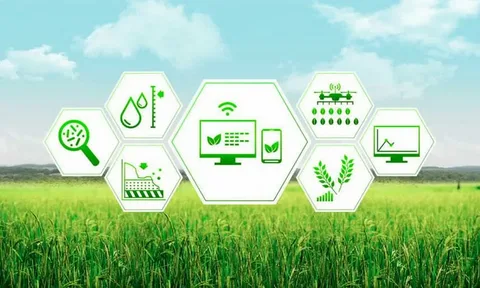
Smart agriculture is a transformative approach that integrates advanced technologies like IoT (Internet of Things), AI (Artificial Intelligence), data analytics, and precision farming techniques into traditional farming practices. The concept focuses on optimizing resources, increasing yields, and improving sustainability. As the world faces challenges like population growth, climate change, and resource depletion, smart agriculture emerges as a solution to not only improve farming efficiency but also generate substantial economic benefits for both farmers and communities.
In this article, we will explore how smart agriculture brings financial gains and long-term growth to the agricultural sector.
Understanding Smart Agriculture
Before diving into the economic benefits, it’s important to understand what constitutes smart agriculture. At its core, it involves using technology to collect and analyze data from farms, enabling more informed decisions. These technologies allow farmers to monitor crop health, manage water usage, reduce waste, and improve soil fertility. Some examples of smart agricultural practices include:
- Precision farming: Using GPS-guided equipment and sensors to monitor soil and crop conditions.
- Automated irrigation systems: Using real-time data to optimize water usage.
- Drones and satellites: Monitoring crop health and soil conditions remotely.
Now, let’s explore how these innovations can translate into financial and economic gains for farmers and communities.
How Smart Agriculture Boosts Farmers’ Profitability
1. Increased Crop Yields and Quality
One of the primary economic benefits of smart agriculture is the increase in crop yields. By implementing technologies like drones, sensors, and AI-powered systems, farmers can monitor crop health more effectively. These tools help identify issues such as nutrient deficiencies, pests, or diseases before they become widespread. Early intervention leads to healthier crops and higher yields, which directly translate to increased profitability for farmers.
2. Reduced Input Costs
Smart agriculture helps farmers optimize their use of inputs like water, fertilizers, pesticides, and labor. Automated irrigation systems, for example, allow farmers to use water more efficiently, reducing waste and costs. Similarly, AI-powered systems can predict the exact amount of fertilizer or pesticide needed, preventing overuse and minimizing environmental damage. These cost-saving measures contribute to a reduction in the overall operational expenses, allowing farmers to reinvest their savings into other areas of their business.
3. Efficient Resource Management
One of the most significant economic advantages of smart agriculture is the efficient use of resources. Technologies like soil sensors and weather forecasting tools allow farmers to tailor their farming practices to the specific needs of the land. This level of precision reduces resource waste and helps farmers make better decisions, leading to more sustainable farming practices and long-term cost savings.
The Broader Economic Impact on Communities
1. Job Creation and Skill Development
As the adoption of smart agriculture grows, so does the demand for skilled labor in sectors such as data analysis, technology development, and farm management. Communities can benefit from the creation of new jobs related to the installation and maintenance of smart farming technologies. Additionally, training and educational programs in rural areas can equip individuals with the skills needed to thrive in the digital agriculture sector.
2. Rural Economic Development
Smart agriculture doesn’t just benefit individual farmers; it has the potential to stimulate rural economies as a whole. By increasing farm productivity and sustainability, farmers are able to grow their businesses and contribute more to the local economy. Higher yields also mean greater local food availability, which can lower food prices and reduce food insecurity in rural areas.
Increased profits from smart agriculture enable farmers to support local businesses, create demand for locally sourced materials, and stimulate economic growth. Furthermore, tech-driven farming attracts investment and innovation into rural communities, further boosting economic development.
3. Sustainable and Long-Term Economic Growth
The long-term economic benefits of smart agriculture go beyond just increased profits. By adopting sustainable practices, smart agriculture ensures that land remains fertile and productive for future generations. Technologies that help conserve water, reduce chemical inputs, and minimize soil erosion not only support environmental sustainability but also contribute to long-term economic stability for farmers and their communities.
The Road Ahead: Embracing Smart Agriculture
The economic benefits of smart agriculture for farmers and communities are undeniable. From higher yields and reduced costs to job creation and rural development, the potential for growth is immense. However, for smart agriculture to reach its full potential, it is essential that farmers are provided with access to the necessary technologies, training, and support.
Governments, agricultural organizations, and tech companies must work together to create policies and initiatives that make these technologies accessible to small and medium-sized farms. With the right support, smart agriculture can become a key driver of economic prosperity in the agricultural sector, leading to a more resilient and sustainable future for farmers and their communities.
Conclusion
The economic benefits of smart agriculture are clear. By increasing farm efficiency, reducing costs, and fostering rural development, these technologies help farmers achieve greater profitability while contributing to the overall economic health of their communities. As smart agriculture continues to evolve, it holds the promise of transforming the agricultural sector into a more sustainable and prosperous industry, benefiting not only individual farmers but entire communities.
